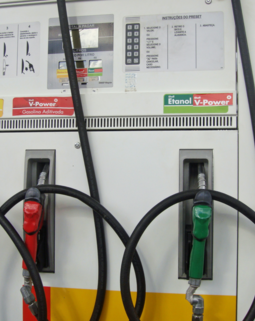


For commercial fleets, agricultural operators, and everyday drivers in East Africa, securing clean, uncontaminated petroleum is a constant battle. The illegal mixing of low-grade, tax-subsidized kerosene into premium diesel and petrol is a highly lucrative scheme for corrupt middlemen. This tampering severely damages vehicle engines, increases toxic emissions, and disrupts local economies. To combat this widespread issue, stakeholders must actively prioritize strict Malawi Fuel Adulteration Prevention. By implementing comprehensive security measures across isolated supply chains, distributors can guarantee that only top-quality, pure fuel reaches the final consumer.
Understanding The Threat To Rural Distribution Networks
The vast geographical distances between centralized urban refineries and decentralized rural petrol stations create massive vulnerabilities. During these long-haul transit routes, unscrupulous transporters often siphon off high-value diesel and replace the missing volume with cheaper illuminating paraffin or kerosene.
Because these fraudulent mixtures happen primarily at the depot level or during transit, retail station owners and end-users are frequently unaware they are purchasing compromised products. A successful approach to Malawi Fuel Adulteration Prevention requires tackling the problem long before the fuel ever reaches the dispensing pump.
Implementing Effective Supply Chain Transparency
To effectively eliminate illicit blending, fuel distributors must establish unshakeable Supply Chain Transparency. This begins by outfitting tanker trucks with GPS-enabled electronic locking mechanisms. These smart locks ensure that the massive fuel valves can only be legally opened at authorized, geofenced drop-off locations, completely preventing drivers from tampering with the load mid-journey. Adopting these strict digital transit controls is an absolutely foundational step in effective Malawi Fuel Adulteration Prevention.
Advanced Techniques For Kerosene Blending Detection
Because visually distinguishing pure diesel from a kerosene-laced mixture is nearly impossible, authorities and distributors must rely on advanced scientific methods. The most reliable strategy for robust Malawi Fuel Adulteration Prevention involves molecular fuel marking.
At the primary import terminal, specialized, highly secure chemical markers are injected into the pure fuel at the parts-per-billion level. If corrupt operators attempt to dilute the marked fuel with unmarked kerosene, the concentration of the chemical marker drops instantly. Utilizing specialized field analyzers for Kerosene Blending Detection allows inspectors to instantly verify the exact chemical integrity of the fuel right at the rural retail pump.
The Power Of Mobile Fuel Testing
To effectively enforce these standards in deeply remote regions, regulatory bodies and private fleet operators are heavily investing in Mobile Fuel Testing units. These roving laboratories can conduct random, unannounced spot checks at rural agricultural hubs and isolated service stations. Consistent, highly visible field enforcement acts as a massive deterrent, forming the backbone of aggressive Malawi Fuel Adulteration Prevention strategies.
Strengthening Fuel Integrity Tracking For Fleet Managers
For transport operators navigating these challenging regions, passive reliance on local stations is a massive financial risk. Proactive businesses must adopt strict Fuel Integrity Tracking protocols. This includes exclusively purchasing from heavily vetted, certified suppliers and continuously using onboard water-detection sensors to monitor fuel tank health.
For logistics managers and automotive professionals wanting to continuously track the latest shifts in African supply chain security, regional transport policies, and fuel management technologies, exploring the expert daily insights at AfriCarNews is highly recommended.
Ultimately, mastering Malawi Fuel Adulteration Prevention guarantees that the nation's critical rural transport networks remain efficient, profitable, and safe from catastrophic engine failures.
Have you ever unknowingly purchased adulterated fuel? What steps do you think the government should take to punish corrupt operators in the fuel supply chain? Share your thoughts, local experiences, and preventative tips in the comments below!