

As global fuel markets face unprecedented volatility and supply chain disruptions, landlocked nations are aggressively seeking innovative ways to secure their domestic energy independence. For decades, the agricultural sector has provided a partial solution through sugarcane-derived ethanol. However, to truly stabilize the national economy and protect against severe global price fluctuations, the nation is now taking bold steps by scaling Malawi High-Blend Biofuels. This strategic transition aims to drastically reduce reliance on foreign petroleum, actively building a highly resilient, self-sufficient green energy ecosystem that empowers local industries.
The Strategic Shift Toward Malawi High-Blend Biofuels
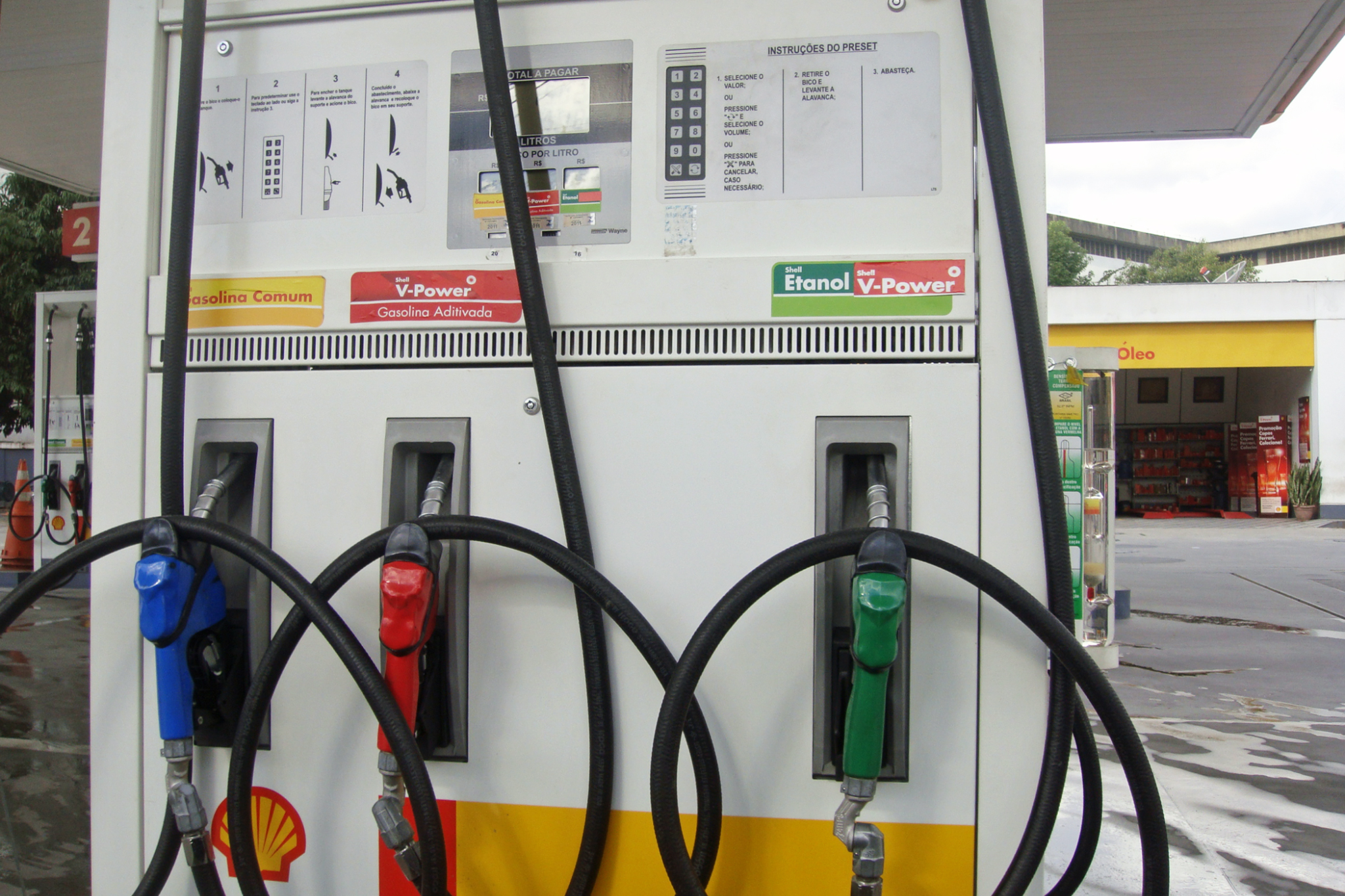
Historically, the country has successfully utilized standard E10 and E20 blends within its commercial fuel pumps. Yet, to achieve a robust and economically viable Ethanol-Fuel Synergy, regional policymakers and agricultural energy producers are pushing for significantly higher concentrations, looking toward E85 and beyond. By upgrading local refining infrastructure to properly support Malawi High-Blend Biofuels, the government intends to fully utilize the massive, largely untapped surplus of Sugarcane Molasses Energy generated by vast domestic agricultural estates. This critical shift effectively transforms standard agricultural byproducts from simple waste into a foundational cornerstone of national security and sustainable growth.
De-Risking Energy Imports In A Volatile Market
Importing traditional fossil fuels heavily drains crucial foreign exchange reserves and constantly leaves the domestic transport economy highly vulnerable to international price shocks. De-Risking Energy Imports through localized, large-scale ethanol production actively guarantees that nationwide transport costs remain highly predictable and stable. Every single liter of Malawi High-Blend Biofuels produced locally represents vital capital kept strictly within the nation's borders. This aggressive localized production directly stimulates rural agricultural economies, provides massive financial incentives for local farmers, and creates thousands of highly skilled industrial jobs across the distillation and engineering sectors.
Modernizing Fleets For Malawi High-Blend Biofuels
Successfully integrating much higher ethanol concentrations requires vital technical adaptations within the national vehicle fleet. To confidently accommodate these sustainable liquid alternatives, automotive engineers are actively promoting widespread Flex-Fuel Vehicle Conversion across both private and commercial transport sectors. By carefully outfitting existing internal combustion engines with advanced electronic fuel sensors, upgraded corrosion-resistant fuel lines, and highly specialized software mapping, everyday drivers can safely transition to running their vehicles on aggressive ethanol mixtures without risking catastrophic mechanical failure. This rapid mechanical evolution is the absolute key to making Malawi High-Blend Biofuels a highly practical, everyday reality for the general public and commercial logistics networks alike.
Paving The Way For African Sustainable Transport
The aggressive expansion of this ambitious green energy initiative proudly serves as a highly powerful blueprint for neighboring landlocked countries facing similar economic challenges. By successfully demonstrating exactly how to leverage domestic agriculture for heavy transportation needs, the nation is rapidly becoming a regional leader in African Sustainable Transport. For commercial logistics operators, green energy investors, and urban policymakers wanting to continuously track the latest shifts in continental renewable energy, bio-ethanol integration, and shifting automotive policies, exploring the expert daily insights at AfriCarNews is highly recommended.
Ultimately, by fully embracing and strategically scaling Malawi High-Blend Biofuels, the country is achieving far more than simply fueling its passenger cars; it is actively fueling its long-term economic independence and confidently securing a much greener, highly prosperous future for generations to come.
Would you convert your daily commuter car to run on an E85 ethanol blend if it meant paying significantly less at the pump? How else can agricultural nations harness their crops to replace expensive fossil fuels? Share your thoughts, questions, and green energy ideas in the comments below!