



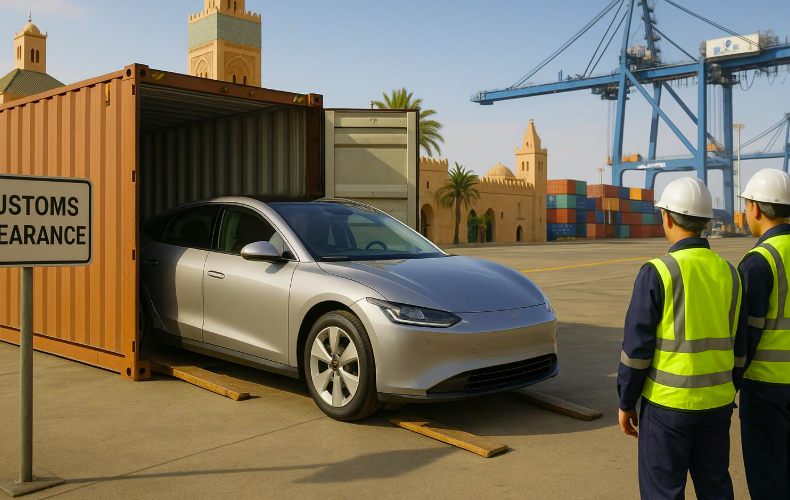
Learn how to import an electric car into Malawi under the new 2025 regulations. Discover step-by-step guidance, customs requirements, tax benefits, and how to simplify the process using EV24.africa.
Why 2025 Is the Right Time to Import an Electric Car to Malawi
As global markets shift toward sustainability, Malawi is also joining the electric vehicle (EV) revolution. In 2025, the government introduced new EV import rules to encourage clean transportation. These updates include reduced taxes, customs duty exemptions, and incentives for early adopters.
But navigating customs, compliance, and logistics can be overwhelming—especially if you're importing independently. That’s where EV24.africa comes in, offering a streamlined solution for individuals and businesses looking to import EVs directly to Malawi.
Understanding Malawi’s New 2025 EV Import Rules
The Malawi Revenue Authority (MRA) and Ministry of Transport updated import rules to promote sustainable mobility. Here's what changed:
✅ Key Policy Highlights:
-
Import duty waived on fully electric vehicles (100% EVs)
-
Reduced VAT (Value Added Tax) for EVs — now at 8% (down from 16.5%)
-
Zero excise tax on electric vehicles under 100 kW
-
Priority port clearance for EV imports at key borders and inland depots
-
No age limit on imported EVs (unlike combustion vehicles, which are limited to 10 years)
📌 Note: These incentives apply only to electric vehicles (not hybrids or plug-in hybrids).
Step-by-Step: How to Import an Electric Car to Malawi
Here’s a practical breakdown of how to import your EV in 2025:
1. Select Your Electric Vehicle
Pick a model suited for Malawi’s terrain and charging infrastructure. Top choices include:
-
Nissan Leaf
-
Hyundai Kona Electric
-
BYD Atto 3
-
Tesla Model 3 (for premium buyers)
You can compare specs, range, and features on trusted EV platforms or use EV24.africa to view curated listings.
2. Use EV24.africa to Handle the Import Process
EV24.africa is a specialized electric vehicle import service that simplifies the process for Malawian buyers.
Why Choose EV24.africa?
-
Verified vehicle sourcing from trusted global EV sellers
-
Real-time pricing with tax breakdown
-
Logistics handling (shipping, customs, port clearance)
-
Compliance checks with Malawian import laws
-
Door-to-door delivery to Lilongwe, Blantyre, and other cities
-
Battery health reports included for used EVs
📦 Peace of mind: EV24.africa handles the headache of forms, permits, and port delays — so you don’t have to.
3. Prepare Required Documents
To import an EV, you'll need:
-
National ID or valid passport
-
Proof of purchase or invoice
-
Bill of lading (from the shipping company)
-
Roadworthiness certificate (from the exporting country)
-
Pre-shipment inspection report (if required)
-
Import permit (optional but recommended)
💼 With EV24.africa: They collect all required documents for you and submit them directly to MRA and RTD (Road Traffic Directorate).
4. Pay Customs Duties and Taxes
Under the 2025 policy, EV buyers in Malawi benefit from:
Tax Type Rate (2024) Rate (2025) Import Duty 25% 0% Excise Tax 10% 0% VAT 16.5% 8%Use the MRA Duty Calculator to estimate your total cost, or let EV24.africa handle it transparently.
5. Clear the Vehicle at Port
Most electric cars arrive at Beira Port (Mozambique) or Durban Port (South Africa). The car is then trucked into Malawi.
Clearing steps include:
-
Declaration to MRA
-
EV verification (battery, VIN, year)
-
Fee payment and release order
-
Registration and number plate issue by RTD
⛟ With EV24.africa, this entire process is managed on your behalf with real-time updates.
Where to Charge in Malawi?
While EV infrastructure is still growing, charging stations are now available in:
-
Lilongwe City Centre
-
Blantyre CBD
-
Mzuzu Mall
-
Selected TotalEnergies fuel stations
🔌 Home charging via standard 3-pin plug is also possible for most EVs.
Tips for First-Time EV Buyers in Malawi
-
Choose EVs with at least 250 km range to accommodate rural travel gaps
-
Avoid buying without a battery health certificate
-
Ask for a Type 2 or CCS charging port for compatibility
-
Always verify that the vehicle is 100% electric (not hybrid) to enjoy tax benefits
Who Should Import Through EV24.africa?
-
Private buyers looking for personal EVs
-
Fleets for NGOs, government agencies, and corporates
-
Dealers seeking verified bulk import of electric vehicles
-
Eco-conscious individuals seeking reliable import without the hassle
Frequently Asked Questions (FAQs)
1. Is it cheaper to import an EV in 2025 than in 2024?
Yes. With reduced or eliminated taxes under new government incentives, you can save up to 30–40% compared to 2024 rates.
2. Can I finance an EV import through EV24.africa?
Yes. EV24.africa works with partner banks to offer flexible financing options with down payments as low as 30%.
3. How long does the import process take?
On average, 4 to 6 weeks, depending on origin, port clearance, and local delivery.
4. Do EVs require special registration in Malawi?
No. Once cleared by MRA, the vehicle is registered like any conventional vehicle by the Road Traffic Directorate (RTD).
5. Can I import used electric cars through EV24.africa?
Absolutely. EV24.africa offers both brand new and used EVs, with full battery diagnostics and mileage verification.
6. Is it safe to drive EVs in Malawi’s climate?
Yes. EVs are designed to operate in tropical climates and perform well in both urban and semi-rural areas.
Conclusion
Importing an electric vehicle into Malawi in 2025 has never been easier or more cost-effective. Thanks to new government incentives and the professional support from EV24.africa, Malawians can now enjoy cleaner, smarter, and more affordable mobility.
If you’re serious about joining the electric future, don’t go it alone. Let EV24.africa handle the hard work, from sourcing to delivery — so you can focus on enjoying the ride.
