

The Chinese proverb “If you want to get rich, build a road first” often sparks debate around infrastructure projects in Africa. This saying seems especially relevant to Malawi, a landlocked country in Southeastern Africa, roughly the size of Pennsylvania. Surrounded by Tanzania, Mozambique, and Zambia, Malawi depends heavily on roads to connect people, goods, and vehicles across its interior and into regional markets.
With high levels of poverty — over 70 % of its 20 million people live in extreme poverty — and agriculture as the backbone of the economy, improved roads can be transformative for Malawi Roads and Cars dynamics. But the reality is more nuanced; roads matter, but they are only one piece of a much larger mobility puzzle.
Improved Connectivity and Vehicle Growth
The Karonga–Chitipa Example
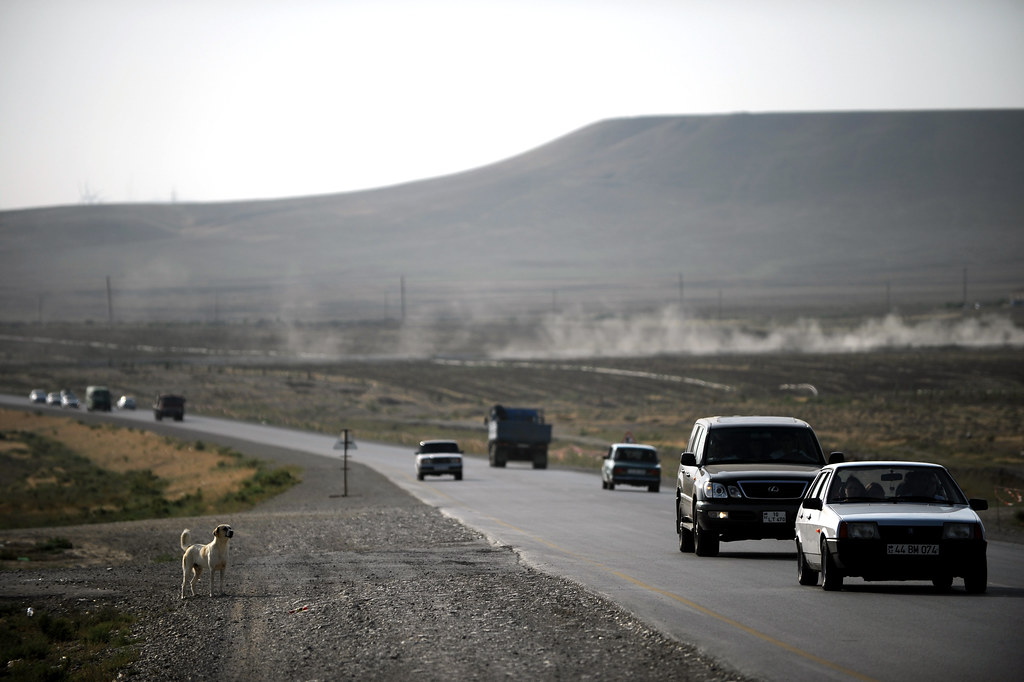
One of the most striking examples of how roads shape transport is the Karonga–Chitipa corridor in northern Malawi. For years, this route was dirt, dusty, and nearly impassable in the rainy season, discouraging car ownership and commerce. A $70 million Chinese‑funded upgrade completed in 2013 turned this into a tarmac highway, reducing travel time between Karonga and Chitipa from five‑plus hours to about two.
Since then, Malawi Roads and Cars have visibly benefited:
-
More vehicles are present on the route, supporting transport services.
-
Local entrepreneurs have opened car washes, roadside shops, and service points.
-
Car ownership in nearby villages increased as the road made vehicle use practical.
For example, in one village, only one person owned a car before the upgrade, compared with 13 afterward — a strong indicator that people and businesses are responding to improved connectivity.
Cars and Local Businesses
Business owners like Langifored Ndhlozi, who operates a car wash at a strategic intersection, report booming activity. “The location is busy because of the traffic,” he says. The volume of cars using the improved roads has created demand for auto services that simply didn’t exist before.
Retailers, transport operators and passengers now experience new mobility patterns that didn’t exist when roads were rough, dusty, and slow. Travelers report better access to markets, health services, and schools — benefits that directly tie Malawi Roads and Cars to everyday life.
For regular updates on road and vehicle trends across Africa, platforms such as AfricaCarNews spotlight how improvements in infrastructure impact auto markets and mobility.
Urban Roads and Car Movement
Lilongwe’s Road Transformation
In the capital, Lilongwe, Chinese contractors have widened and rehabilitated key sections of the M1 corridor, linking the city to northern Malawi. Dual carriageways and six‑lane urban roadworks are easing congestion and making intra‑city travel faster for motorists and commercial fleets.
This has encouraged more cars to circulate within the city, boosting demand for vehicle servicing, tire sales, fuel stations, and other car‑related businesses. Road improvements reduce idle time, shrink travel distances, and help commercial operators run more efficient vehicle routes.
Why Good Roads Aren’t Enough
Even the best road network cannot fully deliver prosperity without affordable transport costs. Malawi has faced recent challenges, including:
-
Currency devaluations, which increase import costs for cars and parts.
-
Persistent fuel shortages and rising transport costs.
-
High costs for farmers to transport produce, sometimes leading to spoilage.
Roadside businesswoman Maggie Mweghogha highlights this tension: “A good road helps,” she says, “but if transport costs remain high, small producers still struggle to reach markets.”
These realities show that while Malawi Roads and Cars have opened mobility opportunities, prosperity is strengthened when roads are paired with stable fuel supplies, affordable vehicles, and reliable transport services.
The Road Ahead
Infrastructure improvements clearly influence vehicle movement, economic activity, and regional integration. But roads alone aren’t enough to guarantee prosperity — they must be accompanied by broader policy support, transport cost reduction, and investment in local car markets.
As Malawi continues investing in roads and reshaping how vehicles move, the proverb might ring true in spirit — but only if road building is part of a broader strategy that includes vehicle access, fuel stability, and economic empowerment.
What matters most for you as a driver or business owner — cheaper fuel, better roads, or easier access to cars? Share your thoughts in the comments and join the conversation about Malawi’s mobility future!