


What to check before purchasing a secondhand car in Malawi? Discover 15 key areas to inspect before buying, from documentation to test drives, with tips tailored to Malawian roads and the market.
What to Check Before Purchasing a Secondhand Car in Malawi
Buying a secondhand car in Malawi can be a smart financial decision — but only if you know exactly what to look for. With limited access to manufacturer-backed dealerships and rugged terrain across the country, purchasing a used car without proper inspection can lead to costly repairs or even scams.
This guide offers a full checklist of what to check before purchasing a secondhand car in Malawi — from verifying documents to understanding road suitability. Whether you’re in Lilongwe, Blantyre, or Mzuzu, these practical insights will help you make an informed, confident purchase.
1. Understand the Malawian Used Car Market
The secondhand car market in Malawi is driven by imports from Japan, South Africa, and the UK. You’ll often find used Toyota, Nissan, and Mazda models due to their durability and affordability.
Important Insight:
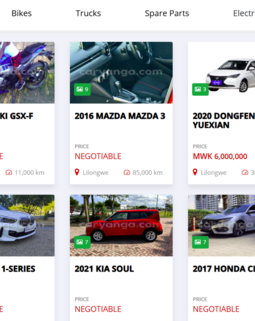
Sites like Caryanga.com are popular for browsing listings. However, prices can vary wildly depending on mileage, condition, and location.
Key Tips:
-
Compare prices on multiple platforms.
-
Be cautious of unrealistically low offers—they could be scams.
-
Know that most cars are imported used, so ensure compliance with Malawi Revenue Authority (MRA) import laws.
2. Set a Realistic Budget (Including Hidden Costs)
Don’t just focus on the purchase price. Owning a car in Malawi also involves:
-
Registration and licensing fees
-
Insurance (third-party or comprehensive)
-
Routine maintenance
-
Spare parts availability (some brands are easier to service than others)
-
Fuel costs
Action Tip:
Set aside at least 15–20% of your budget for post-purchase costs.
3. Choose the Right Car for Malawi’s Roads
Potholes, gravel, and off-road conditions are common in rural areas. A car that performs well on European tarmac might not survive long on Malawian roads.
Best types of cars:
-
High ground clearance vehicles (e.g., Toyota Hilux, RAV4)
-
Reliable sedans for city use (e.g., Toyota Corolla, Nissan Sunny)
-
4x4s if you're in remote or off-road-prone areas
Bonus Tip:
Check online reviews of cars used in similar African road conditions.
4. Verify Ownership and Car Documentation
This is non-negotiable. Always inspect:
-
Vehicle Registration Certificate
-
Blue Book
-
Roadworthy Certificate
-
Insurance papers
-
Customs clearance for imported vehicles
Cross-check the seller’s ID with the car documents to avoid stolen vehicles.
5. Check Vehicle Identification Number (VIN)
Locate and decode the VIN to verify the car’s:
-
Make
-
Model
-
Year of manufacture
-
Engine type
Use websites like vindecoderz.com or consult your mechanic to ensure the VIN hasn’t been tampered with.
6. Inspect the Service History
A good service history reflects a well-maintained vehicle. Look for:
-
Stamped logbooks or maintenance receipts
-
Regular oil changes
-
Timing belt replacements (if applicable)
🚨 Red flag: No service history or suspicious gaps.
7. Examine the Car’s Exterior
Walk around the vehicle and look for:
-
Color mismatches (signs of repainting after an accident)
-
Dents or scratches
-
Uneven panel gaps
-
Signs of rust (especially near wheel arches and door sills)
Use a magnet to detect body filler used to cover damage.
8. Look Under the Hood
You don’t need to be a mechanic, but you should inspect:
-
Oil levels and quality
-
Coolant color (should be bright, not rusty)
-
Belts and hoses (no cracks or excessive wear)
-
Battery condition
If the engine looks freshly cleaned, be cautious—it may be hiding leaks.
9. Don’t Skip the Undercarriage
Malawi’s rainy season and rural roads can lead to rust and frame damage. Use a torch to inspect:
-
Rust around the chassis
-
Oil leaks
-
Damaged suspension components
10. Evaluate the Interior Condition
Check:
-
Seat condition and upholstery
-
Functionality of air conditioning
-
Dashboard warning lights
-
Power windows, locks, and infotainment
🚩 Warning: A clean exterior but worn-out interior may signal excessive mileage.
11. Test Drive Like a Pro
Your test drive checklist:
-
Listen for knocking or whining sounds
-
Test brakes in a safe spot
-
Check for gear slipping (manual and automatic)
-
Drive over bumps to test suspension
-
Monitor dashboard for any warning lights
Try both urban roads and rougher terrain to get the full picture.
12. Check Tires and Suspension
Inspect:
-
Even tread wear on tires (uneven wear = misalignment)
-
Tire age (check the DOT code)
-
Suspension bounce (push down on the fender; it should bounce once or twice)
13. Ask About Fuel Efficiency
With rising fuel costs in Malawi, this is key.
Fuel-efficient options:
-
Toyota Vitz
-
Nissan March
-
Mazda Demio
Use online fuel calculators or ask previous owners about real-world fuel economy.
14. Get a Mechanic’s Opinion
Even after your inspection, a qualified mechanic will spot:
-
Engine faults
-
Hidden frame damage
-
Transmission issues
-
Brake system wear
Cost: MWK 30,000–50,000 for a full pre-purchase inspection—well worth it!
15. Negotiate Smartly & Finalize the Sale
Negotiation tips:
-
Start low, based on faults found
-
Be ready to walk away
-
If importing, factor in shipping, tax, and clearance costs
Finalize the deal:
-
Use a sale agreement
-
Transfer registration immediately
-
Update insurance and road tax
🛒 Browse reliable secondhand cars on Caryanga.com
Frequently Asked Questions (FAQs)
1. Can I import a used car directly to Malawi?
Yes, but you must comply with Malawi Revenue Authority regulations, pay import duty, and ensure the car is roadworthy.
2. What documents must I receive from the seller?
You need the registration book, insurance papers, proof of roadworthiness, and customs documents (for imports).
3. What are common scams when buying used cars in Malawi?
Fake documents, clocked odometers, and "quick sale" scams. Always verify ownership and have a mechanic inspect the vehicle.
4. Are auctions a good way to buy a car in Malawi?
They can be, but risks are higher. Inspect thoroughly before bidding and be cautious with auctioneers you don’t know.
5. How do I know if the car is fuel-efficient?
Look up the model online or ask current owners. Smaller engines and Japanese imports are generally more efficient.
6. Should I avoid older cars completely?
Not necessarily—many older cars are well-maintained. Just ensure they have a complete service history and parts availability.
Conclusion
Buying a used car in Malawi doesn’t have to be stressful. With this checklist, you can avoid lemons and drive away with confidence. Always verify the documents, inspect every corner, and when in doubt—bring a mechanic.
For trusted listings, reviews, and automotive news tailored to Malawian drivers, explore Caryanga.com.