

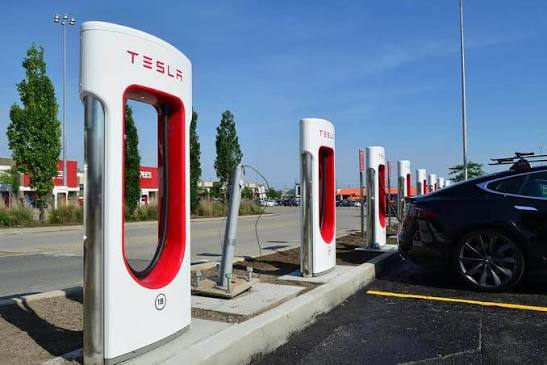
Malawi is preparing for a gradual expansion of electric vehicle infrastructure, with selected petrol stations expected to receive EV fast-charging facilities. The move comes as the country begins preparing for a larger shift toward electric mobility while considering electricity supply, safety, and current EV demand.
Selected Petrol Stations Will Get EV Chargers
The Malawi Energy Regulatory Authority (MERA) has revised its Fuel Retail Outlet Guidelines to support the introduction of EV charging facilities without requiring every filling station to install chargers immediately.
Instead, MERA will identify strategic outlets based on location, traffic volumes, strategic importance, and national energy policy. The guidelines require at least one EV fast-charging station at designated outlets in major cities and towns.
This phased approach is intended to match infrastructure development with the current size of Malawi's electric vehicle market.
Malawi EV Charging Stations to Focus on Major Areas
MERA has indicated that charging infrastructure will initially be concentrated where demand and vehicle movement are higher. Major cities and towns are therefore expected to become the first areas to receive additional facilities.
Malawi already has some experience with electric-motorcycle charging. MERA approved three charging points in Lilongwe in 2024 following safety inspections. These were installed at TotalEnergies facilities in Gateway, Capital Hill and Kanengo.
According to the 2026 Annual Economic Report, approximately 280 electric motorcycles and more than 30 electric vehicles have been registered in Malawi, while four motorcycle charging stations have been developed through a partnership involving SVG and TotalEnergies.
Electricity Supply Will Be Important
The expansion of Malawi EV Charging Stations will depend heavily on the country's electricity network. EV fast chargers can require significant electrical capacity, making reliable power supply an important consideration when selecting locations.
ESCOM has already commissioned a 20MW/40MWh battery energy storage system at Kanengo. The system is designed to improve grid stability and help manage electricity demand during peak periods.
For EV owners, dependable electricity will be particularly important because charging availability depends not only on the number of stations but also on whether those stations can operate consistently.
Safety Rules for EV Charging at Fuel Stations
MERA's guidelines also place emphasis on safety. EV chargers installed at fuel stations must be electrically separated from hazardous areas, meet electrical safety requirements, and be protected from vehicle impacts.
Clear safety signage will also be required. Fuel stations must maintain emergency equipment, including fire extinguishers, emergency shutdown systems and warning signs.
An Emergency Shutdown System or Emergency Stop Button is mandatory. In an emergency, activation can cut power to the forecourt, stop fuel dispensing and isolate electrical equipment.
Pricing and Rollout Timeline Remain Open
The future cost of using Malawi EV Charging Stations has not yet been fixed through a national charging tariff. MERA is expected to consider licensing, metering, consumer protection and pricing arrangements as the market develops.
There is also no firm nationwide deadline for the full rollout. This gives regulators flexibility to expand the network according to EV adoption, electricity capacity and infrastructure requirements.
For motorists considering an electric car, the gradual development of public charging could become an important factor when deciding where and how an EV can be used.
What This Means for Malawi's Car Market
The planned Malawi EV Charging Stations network represents an early step toward supporting electric cars beyond private home charging. As more vehicles enter the market, public fast chargers could make longer trips and everyday urban driving more practical.
The development will also create new considerations for petrol station operators, car dealerships and motorists as charging becomes part of Malawi's wider automotive infrastructure. For more regional automotive developments, readers can explore AfriCarGroup.
Conclusion
The expansion of Malawi EV Charging Stations will take a targeted rather than nationwide approach, with selected petrol stations in major cities and towns expected to receive fast chargers. Electricity reliability, safety standards, pricing rules and growing EV demand will all influence how quickly the network develops.
As Malawi's electric vehicle market expands, the charging network will become increasingly important to motorists deciding whether an EV fits their daily driving and longer-distance travel needs.
Would you consider buying an electric car in Malawi if more petrol stations offered fast charging? Share your thoughts in the comments.